Contractor Dumpster Rental Made Easy
When your demo crew is tearing out a kitchen at 7 a.m. and framing starts at noon, the last thing you need is a missing dumpster. WRS Dumpster Rentals provides contractor dumpster rental across PA, NJ, DE, MD, and the surrounding Mid-Atlantic region, with construction dumpsters sized for everything from a single bathroom tear-out to a full commercial build. The result: a cleaner, safer job site, fewer dump runs (a 20-yard dumpster holds about six pickup truck loads of waste on its own), and costs you can predict when you write your bid. Dumpsters streamline construction waste removal on job sites so your crews stay productive instead of hauling debris in truck beds.
Call WRS Dumpster Rentals at the number for your state for a fast contractor quote, or request a quick online quote at wrsdumpsterrental.com.
Why Contractors Trust WRS Dumpster Rentals
WRS has built its reputation by showing up when promised and charging what was quoted. Construction companies across the Mid-Atlantic return to WRS because the service matches the pace of real construction jobs.
- Regional focus across PA, NJ, DE, and MD with drivers who know local roads, site conditions, and municipal rules
- Fully licensed and insured, with safety-trained drivers experienced in placing roll-off containers on active job sites
- Familiarity with contractor schedules for roof tear-offs, gut remodels, concrete pours, and phased commercial projects
- Track record of on-time delivery and pickup that keeps trades moving without idle labor
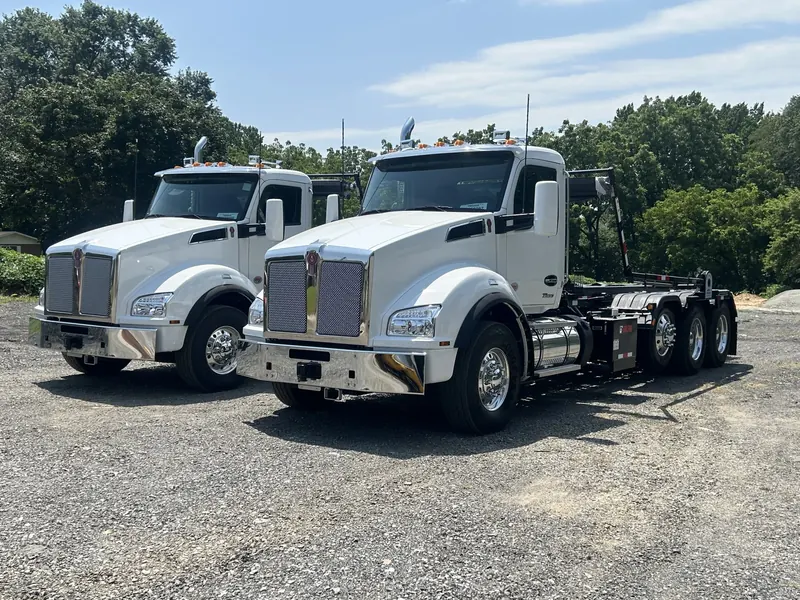
Why Contractors Choose WRS for Dumpster Rental
Renting a dumpster requires balancing logistics, weight limits, and project scope. WRS structures its dumpster service around the three things contractors care about most: schedule reliability, cost control, and minimal disruption on the job site.
- Transparent pricing with no surprise fees. Every quote includes delivery, pickup, disposal, and included tonnage. No hidden fuel surcharges, environmental fees, or admin charges. You know the number before you bid the job.
- Flexible swaps during peak phases. When a demolition phase fills a container in two days, WRS coordinates a swap-out so crews keep working. Regular dumpster pickups prevent site hazards and delays.
- Local permit and ordinance knowledge. WRS teams are familiar with requirements in counties like Gloucester (NJ), New Castle and Sussex (DE), Lancaster (PA), and others. In Hanover Township, PA, for example, dumpsters on public right-of-way require a permit application filed by the property owner or licensed contractor, with a fee of approximately $25. In Minersville, PA, street-placed dumpsters need a permit covering four business days initially, with separate permits for additional days. That kind of detail matters when your start date depends on compliance.
- Experienced drivers for tight placements. Narrow driveways, shared access roads, overhead wires; WRS drivers position containers to keep equipment lanes and delivery paths open.
- Environmentally responsible disposal. WRS routes loads to facilities that separate metals, concrete, and clean wood for recycling whenever possible, helping contractors meet municipal diversion expectations.
Contractor Dumpster Sizes & Pricing
WRS offers a range of dumpster sizes built around how contractors actually work. Dumpsters are measured in cubic yards of internal volume, and each size includes a specific weight allowance. Most rentals include a specific weight allowance that may trigger overage fees if exceeded. The 20-yard dumpster is the most commonly rented size across the industry, but the right container depends on your trade, debris type, and project scope.
10 Yard Contractor Dumpster (1 ton included; $435.00–$495.00)
A 10-yard roll-off dumpster holds about 4 pickup loads of material. That makes it a fit for bathroom tear-outs, small roofing repairs, punch-list cleanups, and tight urban infill projects where space is limited. The 1-ton weight allowance covers most light demolition debris (drywall, trim, cabinetry), but contractors working with heavy materials like concrete should plan carefully; one cubic yard of concrete weighs roughly 4,000 lbs, so even a partially filled 10-yard container can exceed the included tonnage. If you go over, WRS applies a per-ton overage charge rather than a flat penalty.
15 Yard Contractor Dumpster (1.5 tons included; $505.00–$565.00)
The 15-yard sits between the compact 10 and the workhorse 20, making it a versatile option for single-room remodels, small siding jobs, or limited roofing tear-offs. At 1.5 tons included, it handles drywall, framing lumber, and light demolition debris from most residential renovation projects. Its footprint fits in many standard driveways, which is why remodeling contractors and small GCs choose it for home renovation work in suburban neighborhoods.
20 Yard Contractor Dumpster (2 tons included; $575.00–$625.00)
This is the size most construction companies rent. A 20-yard dumpster holds approximately 8 pickup loads; enough for kitchen remodels, medium roofing projects, deck removals, and light commercial renovations. The 2-ton allowance covers the typical mix of cabinets, countertops, flooring, and roofing shingles from these jobs. National averages for a 20-yard roll-off rental with mixed C&D debris run $525–$795 depending on ZIP code. WRS's $575–$625 range reflects Mid-Atlantic fuel and disposal costs while remaining competitive.
30 Yard Contractor Dumpster (3 tons included; $645.00–$805.00)
Full-house gut renovations, multi-room remodels, large roofing tear-offs, and light commercial demos generate the volume that fills a 30-yard container. It can accommodate around 14 pickup loads. The 3-ton allowance handles most mixed construction debris, but heavy materials can cause weight limits to be exceeded before the container looks full. Contractors planning heavy debris removal (concrete, masonry, multiple layers of roofing materials) should call WRS before loading to discuss the most cost-effective approach. The taller walls on a 30-yard container are easiest to load with a skid steer or by using the rear swing door as a ramp for bulky items.
40 Yard Contractor Dumpster (Call for pricing)
For large scale construction, major demolition projects, and multi-unit builds, the 40-yard roll off dumpster holds up to 16 pickup loads. Pricing depends on location, swap frequency, rental duration, and debris profile, so WRS quotes these individually. Contractors managing multiple containers across several sites or running long-term commercial projects should call the WRS line for your state to set up a custom program with competitive rates.
Best Dumpster Options by Contractor Trade
Different trades produce different debris at different rates. Here is a quick reference to help you rent a dumpster that matches your specific project without paying for capacity you won't use.
General Contractors & Remodelers
Most remodeling projects land in the 20- or 30-yard range. A 2,000 sq ft full-house gut typically requires a 30-yard container; a single-room refit or trim-out cleanup fits a 10 or 15 yard. Sorting waste at the start saves time and money when loads can be separated for recycling versus landfill disposal.
Roofing Contractors
Roofing debris is dense. Asphalt roofing shingles, underlayment, and old sheathing from a standard single-family tear-off (roughly 25–30 squares) generally fill a 20-yard dumpster. Larger or multi-layer roofs often need a 30-yard. Because shingles are heavy, it is common to hit the weight limit before the container is visually full; keep loads below the top rim (it is illegal to overfill a dumpster past the top rim) and call WRS for guidance on weight planning before the tear-off day.
Concrete & Masonry Contractors
Heavy materials like concrete, brick, and block are governed by weight limits more than volume. A 10- or 15-yard container is often the right choice for pure concrete or masonry loads, because larger dumpsters would hit their tonnage cap long before filling up. Construction dumpsters can handle heavy materials like concrete, but matching container size to expected weight prevents overage charges. Call WRS's support team for a weight estimate before scheduling.
Restoration & Insurance Work
Fire, water, and storm damage claims demand fast deployment. WRS can deliver 10-, 20-, or 30-yard dumpsters depending on building size and project phase; a 10-yard for an emergency cleanout of one unit, a 30-yard for the full rebuild demo. Prompt delivery matters here because adjusters and restoration crews often work on tight timelines.
How Contractor Dumpster Rental Works With WRS
WRS keeps the process short so contractors can focus on the build. Three steps get a container on your job site and gone when you're done.
Step 1: Call for a Job-Specific Quote
Call the WRS line for your state or request a quote online with your job address, expected debris type, and project duration. WRS helps select the right dumpster size, explains included tonnage, reviews the rental window, and flags any local permit requirements. If your next project involves multiple phases or sites, this call is the place to plan ahead.
Step 2: Scheduled Delivery & Precise Placement
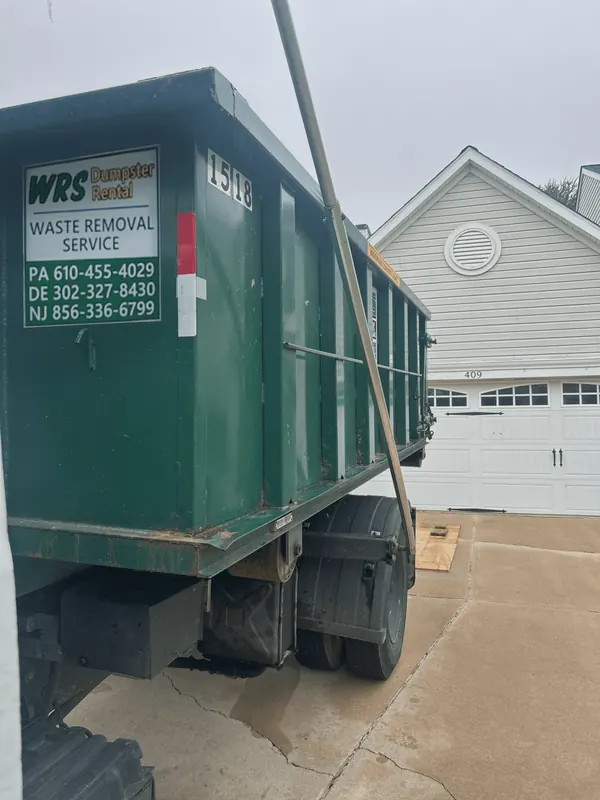
WRS coordinates delivery windows around your schedule, whether that means arriving before concrete trucks at 6 a.m. or after a framing crew clears the driveway. Drivers place containers on level ground, clear of overhead wires and tree branches, with enough clearance for the roll-off truck to return for pickup. For asphalt driveways or fresh pavement, laying plywood under the container prevents surface damage from the container's weight and contact points.
Step 3: Swap-Outs, Final Pickup & Disposal
When a container fills mid-project, call WRS or use a pre-scheduled swap-out to get an empty dumpster back on site without idle time. Using a dumpster reduces trips to the dump; WRS handles transport, waste disposal, and recycling where facilities allow. Final invoices list four items: base rental, included tonnage, overage (if any), and applicable taxes. No extra fees appear after the fact.
What Contractors Can Put in a WRS Dumpster
Knowing what goes in (and what doesn't) before your crew starts tossing debris prevents extra charges and pickup refusals.
Common Accepted Construction Debris
Most construction debris is accepted in WRS dumpsters:
- Lumber, framing offcuts, plywood, OSB
- Drywall, plaster, lath, trim, doors
- Accepted materials include wood, drywall, and bricks
- Roofing debris: asphalt shingles, felt paper, sheathing
- Siding (vinyl, aluminum, fiber cement), flooring, cabinetry
- Non-hazardous insulation (fiberglass batts, rigid foam)
- Concrete, brick, and masonry in quantities that stay within the container's weight limits
- Yard waste like branches and leaves is typically accepted
- Landscaping debris from site prep or exterior renovation
- Appliances without Freon can be disposed of in dumpsters
Restricted or Prohibited Materials
Certain materials require special handling and cannot go into a standard roll-off dumpster:
- Hazardous materials like chemicals, batteries, paint, and solvents are prohibited
- Asbestos-containing materials, medical waste, and contaminated soils
- Electronics, tires, and appliances containing refrigerants (Freon)
- Most local regulations ban hazardous waste and electronics in dumpsters
Putting prohibited items in a dumpster can trigger fines from local disposal facilities and additional removal charges. When your demolition jobs involve treated wood, suspect asbestos, or unusual waste streams, confirm with WRS before loading.
Planning Placement, Permits & Site Logistics
Smart placement and permit compliance keep inspectors happy, trades moving, and neighbors calm.
Smart Dumpster Placement on Active Jobsites
Position the container close to work zones so laborers spend less time carrying debris, but not blocking equipment access, material deliveries, or emergency routes. Level ground with clear overhead space is ideal. Protect driveways with plywood, especially under 20–40 yard containers carrying heavy debris. Dumpsters help keep job sites organized and safe from clutter when they're positioned where crews naturally pass through.
Permits & Municipal Rules
Most private-property placements (driveways, parking lots) don't require permits. Street or sidewalk placement is different. Permits may be required for placing a dumpster on public streets or sidewalks, and requirements vary by municipality. In Jim Thorpe Borough, PA, permit applications must be filed at least five days before delivery, with a $40 fee and a sketch of the planned location. In Hanover Township, NJ, street-placed containers require insurance certificates (minimum $100,000 general liability for residential), and initial permits cover 15 calendar days. WRS teams know these local regulations across the Mid-Atlantic and can advise contractors on necessary permits and timing before booking. When your start date is tight, factor in permit approval lead time.
Working With HOAs & Property Managers
Renovation and roofing contractors working in HOA-governed communities should check rules on dumpster size, maximum rental duration, and visibility from common areas before scheduling. Sharing delivery and pickup dates along with a placement map keeps property managers informed and reduces complaints. WRS can coordinate exact drop and pickup windows to limit how long a container sits in view of a tight community.
What Affects Contractor Dumpster Rental Cost
Predictable pricing helps contractors bid accurately and protect margins. Here are the factors that move the number.
Size & Included Tonnage
Each WRS container includes a built-in tonnage allowance: 10-yard (1 ton), 15-yard (1.5 tons), 20-yard (2 tons), 30-yard (3 tons). Larger dumpsters generally cost more due to increased handling requirements. When heavy debris fills a container past its tonnage before the volume is used, overage charges apply. Roofing, concrete, and masonry jobs are the most common triggers; discuss these upfront so WRS can recommend the most cost-effective size container.
Material Type & Disposal Fees
Landfills and transfer stations charge different tipping rates for mixed C&D debris, clean concrete, and general waste. Clean loads of a single waste type (e.g., clean concrete, scrap metal) sometimes qualify for recycling, which can reduce disposal cost. Diesel fuel costs, which currently average around $6.10 per gallon and represent 28–35% of mixed C&D roll-off rental costs in many markets, also factor into pricing.
Rental Duration & Extra Days
Standard rental durations typically range from 7 to 14 days, which covers most construction jobs. Rental duration affects pricing for extended projects; idle containers on site beyond the standard window incur per-day fees. Flexible rental periods are available for phased work, but scheduling swap-outs between phases rather than holding one container saves money on long timelines.
Project Location & Access
Distance from WRS service depots and local facility fees can influence pricing by region. Distance from service depot can incur additional delivery fees for remote or outlying areas. Sites with steep grades, narrow alleys, or restricted access may require additional planning and coordination. Seasonal demand fluctuations also play a role; spring through September is peak season for roll-off dumpster rental, and winter months sometimes offer more favorable scheduling and rates.
Safety & Efficiency Tips for Contractors Using Dumpsters
A well-managed dumpster reduces injuries, speeds up cleanup, and keeps inspections on track.
Jobsite Safety Around Roll-Off Containers
- Crews should wear gloves, eye protection, and steel-toed boots when handling construction debris
- Never climb on container sides or stack debris above the rim; falling debris causes injuries, and overfilled containers cannot be legally transported
- Keep clear zones around rear doors and hinges, especially when opening swing doors on uneven ground
- Secure lightweight items (insulation, plastic wrap, foam) so wind doesn't scatter debris across neighboring properties
Maximizing Dumpster Capacity & Workflow
- Heavy materials should be loaded first for stability, then lighter, bulkier items stacked on top
- Flattening bulky items maximizes dumpster capacity: break down cabinets, doors, and long lumber to reduce air pockets and avoid needing extra hauls
- Keep a dedicated cleanup period at the end of each shift to consolidate debris and keep the job site clean
- For larger projects generating more waste, pre-schedule swap-outs rather than overfilling one container
Areas WRS Dumpster Rentals Serves for Contractors
WRS provides construction dumpster rental and roll off dumpster rental to contractors across the Mid-Atlantic. Representative service areas include:
- Pennsylvania: Lancaster County, Chester County, Berks County, Dauphin County, Lebanon County, and surrounding communities
- New Jersey: Gloucester County, Camden County, Burlington County, Salem County, and nearby areas
- Delaware: New Castle County, Sussex County, Kent County
- Maryland: Cecil County, Harford County, and adjacent regions
Contractors working on commercial projects or large scale projects outside these areas should call the WRS line for your state to confirm availability for specific cities or multi-site coordination.
Get Started With Contractor Dumpster Rental Today
WRS Dumpster Rentals delivers transparent pricing, on-time delivery, and the local knowledge that keeps construction jobs on schedule. Whether you need a single 10-yard container for a punch-list cleanup or a fleet of 40-yard roll off containers for a large scale demolition, WRS handles the waste removal so your crews handle the build. Every quote is straightforward, every delivery is scheduled around your trades, and every pickup happens when you need it.
Call WRS Dumpster Rentals at the number for your state for contractor dumpster pricing and scheduling, or get a quote online at wrsdumpsterrental.com.
Serving contractors across PA, NJ, DE, MD, and nearby Mid-Atlantic communities.