Roofing Dumpster Rental for Fast, Clean Tear-Offs
A roof tear off generates a surprising amount of heavy debris in a short window - old shingles, underlayment, nails, flashing, and rotted decking material that needs to go somewhere fast so your crew can keep working. Whether you're a homeowner coordinating a roof replacement or one of the roofing contractors running multiple active jobs across the Mid-Atlantic, WRS Dumpster Rentals delivers the right dumpster to your job site on your schedule. We provide same-day or next-day roofing dumpster rental (where available) throughout our PA, NJ, DE, MD, and surrounding service areas, giving you a safer, cleaner construction site without trips to the landfill and with predictable pricing for heavy debris.
Roofing projects can generate several tons of waste, and roofing materials such as asphalt shingles are dense and heavy - which is exactly why the dumpster size, weight limit, and total cost matter more on a roofing job than almost any other residential dumpster rental. Our prices start as low as $435.00, with 10, 15, 20, 30, and 40 yard roll off dumpster options built to handle asphalt shingles, architectural shingles, metal roofing, and flat roof tear offs. Every quote includes delivery, pickup, and a clear tonnage allowance so you know what you're paying before the first shingle hits the container.
Get a Roofing Dumpster Quote Today
Getting a quote takes minutes - not hours. Call WRS Dumpster Rentals at the number for your state or visit wrsdumpsterrental.com to request an instant quote online. Every quote is free, includes delivery, pickup, and a specific weight allowance, and gives roofing contractors the numbers they need to bid jobs accurately and homeowners the clarity they deserve before work begins.
Why Roofers Trust WRS Dumpster Rentals
WRS is a roll off specialist with deep, hands-on experience supporting roofing waste removal on projects across Lancaster County (PA), New Castle County (DE), Gloucester County (NJ), and the surrounding Mid-Atlantic region. We're not a distant broker - we're a local dumpster service that understands what roofers actually need on a tear-off day.
- On-time delivery windows that match roofing schedules - early morning drops so your crew starts loading immediately, plus same-day swap-outs when a container fills before the job is done.
- Regulatory knowledge across our service areas - we understand local disposal rules for asphalt shingles and construction debris, including PA's C&D waste requirements, Delaware's recycling permits for post-consumer shingle waste, and New Jersey's classification of roofing scrap and asbestos handling rules.
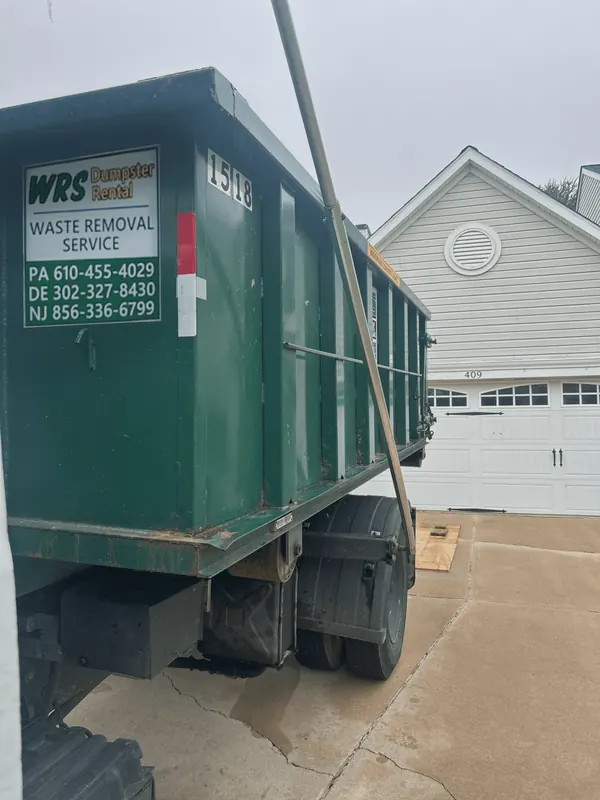
- Driveway protection as standard practice - our drivers use wood boards or pads under dumpster rails when appropriate to protect asphalt, concrete, and decorative pavers.
- Recycling commitment - where local facilities accept post-consumer roofing shingles, we route clean shingle loads to recycling rather than landfill, which can reduce disposal costs.
- Transparent, no-hidden-fees pricing - every quote spells out the included tonnage, overage rate, and rental period so there are no surprises after your project wraps up.
Transparent Roofing Dumpster Pricing
Roofing debris is some of the heaviest material that goes into a roll off dumpster. Asphalt shingles weigh between 175 and 450 pounds per square depending on shingle types - and that weight adds up fast. That's why roofing contractors and homeowners should focus on the weight limit and total cost, not just dumpster size, when they rent a dumpster for a roofing job.
WRS offers upfront, no-hidden-fee pricing for roofing jobs. Every quote includes delivery, pickup, a set tonnage allowance, and clearly stated per-ton overage charges. Flat-rate dumpster rentals often simplify project budgeting compared to multiple trips to the dump, and our pricing reflects that simplicity.
Here's what roofing dumpster costs look like with WRS:
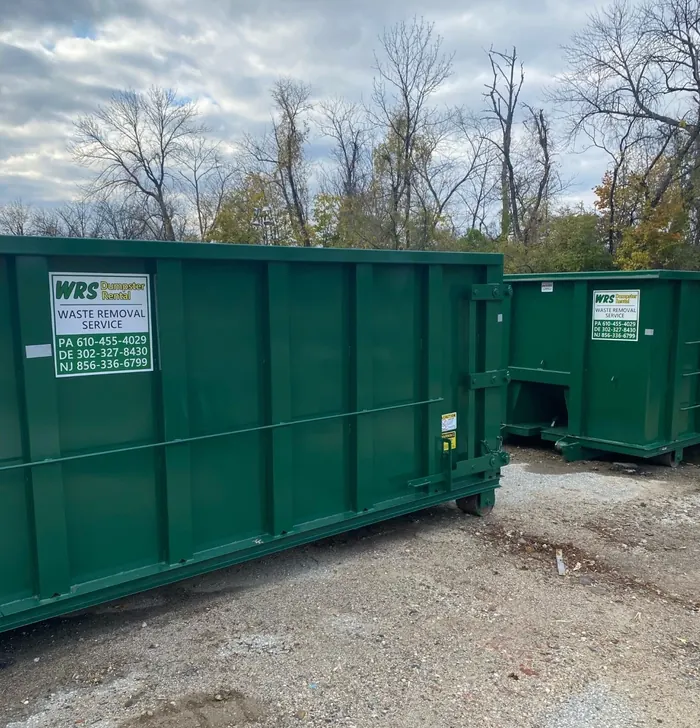
- 10-yard roofing dumpster - 1 ton included, $435.00–$495.00. Best for small roofs, patch repairs, and sheds.
- 15-yard roofing dumpster - 1.5 tons included, $505.00–$565.00. Good for modest single-story homes or partial tear offs.
- 20-yard roofing dumpster - 2 tons included, $575.00–$625.00. Our most popular choice for single-layer asphalt shingle tear offs on typical homes. A 20-yard dumpster can handle about 5,000 pounds of shingles.
- 30-yard roofing dumpster - 3 tons included, $645.00–$805.00. Built for multi-layer shingles, larger two-story homes, or light commercial work.
- 40-yard roofing dumpster - call for pricing. Reserved for large commercial roofs, bulky insulation board, and flat roof projects.
Local taxes, distance to the disposal facility, and special materials can affect the final price. We encourage every customer to call the WRS line for your state for an exact quote tailored to their project and location.
Roofing Dumpster Sizes: Which Container Do You Need?
Picking the right sized dumpster for a roofing project depends on three things: your roof size measured in squares (contractors often measure roofs in squares, with one square equating to 100 square feet), how many layers of old shingles are coming off, and the material type - whether it's standard three-tab, heavier architectural shingles, or metal panels. WRS can help you size the dumpster over the phone in a couple of minutes based on a few simple questions about the roof.
10-Yard Roofing Dumpster
A 10-yard dumpster is suitable for roofing projects under 1,500 square feet - think porch roofs, detached garages, sheds, or small repair patches covering roughly 10–12 roofing squares of single-layer asphalt. This compact container fits well in tight driveways or narrow alleyways common in older neighborhoods where space is limited. With 1 ton of included weight, it covers most small repair projects comfortably. However, a 10-yard container isn't the right container for a full-house tear off, because dense roofing shingles can push past that weight limit well before the dumpster looks full. A dumpster can exceed weight limits before appearing full - and that's especially true with heavy roofing waste.
15-Yard Roofing Dumpster
The 15-yard dumpster is a solid middle option for smaller single-story homes, manufactured homes, or partial tear offs in the 12–18 square range, depending on shingle type. With 1.5 tons of included weight, it provides more breathing room than a 10-yard when decking material or underlayment is being replaced alongside old shingles. It also leaves space for gutter scrap, fascia boards, and small siding offcuts that typically come off during a residential roof project. Roofers can choose the 15-yard when a 20-yard won't comfortably fit in the driveway or along a narrow city street.
20-Yard Roofing Dumpster
The 20-yard is the most popular choice for roofing projects - and for good reason. A 20-yard dumpster is the most popular choice for roofing because it handles typical 1,500–2,500 sq ft homes with a single shingle layer and minor wood replacement within the 2-ton allowance. This container size balances capacity and maneuverability, fitting most suburban driveways without blocking garage access. If you're unsure whether a 20-yard is enough or whether a 30-yard is safer due to heavier architectural shingles or double layers, WRS dispatchers can walk you through the math in minutes.
30-Yard Roofing Dumpster
A 30-yard dumpster is ideal for larger roofing projects - big two-story houses, duplex roofs, multi-layer tear offs, or small commercial buildings carrying heavy architectural or premium shingles. The 3-ton included weight matters here: it avoids the cost of multiple hauls and reduces the risk of overage fees for contractors managing tight bids. Some contractors prefer ordering two 20-yard dumpsters instead of one dumpster when residential streets are too tight for a 30-yard footprint; WRS can advise on which approach works best for your job site layout.
40-Yard Roofing Dumpster
The 40-yard container is best for specific roofing scenarios: light but bulky debris like insulation board from flat commercial roofs, or very large commercial projects where volume - not weight - is the constraint. Due to road weight limits and safety restrictions, 40-yard dumpsters are generally not used for dense, heavy asphalt shingles on steep-slope roofs. Customers should call WRS at the number for your state for 40-yard pricing and to confirm local container weights, loading rules, and permit requirements before booking.
Common Roofing Projects We Support with Roll-Off Dumpsters
WRS works daily with roofing companies, general contractors, and homeowners on a wide range of roofing projects - from small leak repairs to large commercial reroofs. Here's how our dumpster service matches the most common roofing scenarios.
Residential Asphalt Shingle Tear-Offs
A standard residential roof tear off generates old shingles, felt paper and underlayment, roofing nails and flashing, vents, pipe boots, and sometimes small amounts of rotted decking. Underlayment and felt paper can also go in roofing dumpsters, along with roofing nails and flashing - all accepted materials in our containers. Most single-layer asphalt roofs on typical homes fit in a 15-yard or 20-yard dumpster; larger or multi-story homes usually call for a 30-yard. For homeowners, having a dumpster on site means a cleaner yard, faster cleanup, and less risk of sharp debris scattered across the property. Using a dumpster can prevent the accumulation of debris around the work area, and roll-off dumpsters can protect landscaping from damage during debris disposal. WRS can place the container close to the house so crews can toss shingles directly off the roof into the dumpster when it's safe to do so.
Multi-Layer Roof Tear-Offs
Older homes often have two or more layers of roofing shingles stacked on top of each other, which dramatically increases debris weight. According to industry weight data, a 2,000 sq ft roof with a single layer of architectural shingles generates roughly 6,000 lbs (~3 tons) of debris; two layers push that figure to approximately 12,600 lbs (~6.3 tons). That's why roofers should always count how many layers are coming off and plan for heavier containers - usually a 20-yard or 30-yard with careful attention to weight limits. Weight limits for dumpster rentals often range from 2 to 4 tons, and underestimating layers is one of the most common reasons for overweight fees. WRS reps can estimate tonnage based on squares and shingle type, and sometimes splitting debris into multiple dumpsters is safer and easier to position than a single large box.
Flat and Low-Slope Commercial Roofing
Commercial flat roofs produce a different mix of roofing waste: built-up roofing layers, membranes, ballast stone, metal edge, and insulation board from warehouses, retail buildings, and office complexes. These materials tend to be bulky but lighter per cubic yard than asphalt shingles, making 30-yard and 40-yard containers the right fit - but staying within permitted weight limits still matters. WRS can coordinate multiple dumpsters and swap-outs to keep large crews moving without downtime. Property managers and commercial roofing contractors benefit from calling ahead to set up scheduled deliveries, swaps, and pickups across larger projects spanning several days.
Storm, Hail, and Wind Damage Roof Repairs
When storm damage demands rapid response - emergency tarping followed by quick tear off and replacement for hail or wind damage claims - waiting days for a dumpster is not an option. WRS can often provide next-day dumpsters (depending on area and demand) to keep insurance-driven projects on schedule. Most roofing dumpsters are delivered on the scheduled date. Flexible sizes (10-, 15-, or 20-yard) match the scope of whether the roof is partially or fully replaced. If adjusters or weather slow the work down, customers can extend rental periods easily without hassle.
Metal Roof Removal and Replacement
Metal roof removal generates large panels, fasteners, purlins, and underlayment - materials that are bulky but sometimes lighter than equivalent shingle debris. A 20-yard or 30-yard dumpster often works best because long metal pieces need room to lie flat inside the container. WRS can advise on safe loading to avoid panels protruding above the dumpster walls or creating sharp edges. Contractors should ask about metal recycling options in their area if they want to divert metal roofing from landfills.
How Roofing Dumpster Rental Works with WRS
Renting a roofing dumpster from WRS is straightforward and can usually be set up in a single quick call or online form. Here's the process from first contact to final pickup.
Step 1: Call or Request an Instant Quote
Tell us your job address, roof size or number of squares, number of shingle layers, roofing material type, and preferred delivery date and time. We confirm availability, recommend the right dumpster size, and provide an upfront price including delivery, pickup, and included tonnage - no hidden fees. Contractors running multiple active jobs can set up recurring service, order multiple dumpsters, or work with a dedicated account manager and receive one monthly invoice for all their dumpster rentals.
Step 2: We Deliver and You Load the Roofing Debris
Our driver places the roll off where you request - driveway, side yard, or street (where local permits allow) - with boards or pads under the rails to protect surfaces when needed. Proper placement of the dumpster is critical for efficiency and safety. Customers do not need to be home if placement instructions are clear and access is available. Load debris level with the top rails, distribute shingles evenly across the container, and keep prohibited materials out of the roofing dumpster. If the container fills sooner than expected, WRS can often perform a swap-out so work continues without delay.
Step 3: Pickup, Disposal, and Recycling
Once the roof is complete and the dumpster is full, call WRS or use our requested method to schedule pickup. Debris disposal should be planned to allow for efficient cleanup during roofing projects, and we handle the heavy lifting from here. WRS hauls the roofing debris to an approved facility, aiming to recycle shingles and metal where local options are available. Any additional fees - for excess weight, extended rental, or restricted items - are communicated upfront according to the original quote terms. After the container leaves, you're left with a clean, nail-free job site.
What Can Go in a Roofing Dumpster?
Roofing dumpsters are built to handle dense, abrasive roofing debris, but waste management rules and landfill regulations dictate what's accepted.
Accepted Roofing Materials
- Asphalt shingles (three-tab and architectural shingles) are commonly accepted in roofing dumpsters
- Underlayment, felt paper, and roofing paper
- Roofing nails, fasteners, and metal flashing (including drip edge)
- Vents, pipe boots, and ridge caps
- Old decking from roofs and small pieces of sheathing
- Limited amounts of roofing adhesive scrap
- Small amounts of related construction debris from the roofing project - like fascia and trim boards - are usually acceptable, but heavy non-roofing debris should be discussed first
Local rules can vary by municipality and county. Customers should confirm accepted materials when they book.
Prohibited or Restricted Items
- Hazardous waste like asbestos and chemical paints are typically not allowed in roofing dumpsters
- Liquid tar or buckets of uncured adhesive, chemical containers, fuel, solvents, and batteries are not accepted
- Hazardous materials of any kind - including household hazardous waste - must stay out of the container
- Some landfills have special rules for "clean" shingle loads vs. mixed C&D debris; WRS can explain when clean loading is beneficial and may reduce shingle disposal costs
If you suspect older roofing may contain asbestos or other regulated materials, ask before loading. In Delaware, for example, recycling permits explicitly prohibit accepting shingles containing or suspected of containing asbestos. Roofing projects generate hazardous materials like sharp nails and metal scraps as well - keep your crew aware of safe handling.
How Long Should You Rent a Roofing Dumpster?
Many residential roofs are torn off and replaced in 1–3 days, while larger projects or commercial reroofs may need a week or more. WRS includes a standard rental window with every booking, and flexible rental periods are available with reasonable daily or weekly extension rates if your project runs longer than planned.
- Single-family asphalt roof replacement: usually 3–5 days of on-site dumpster time is sufficient for the crew to complete the job and clean up.
- Commercial flat roof projects: the dumpster may stay on site for multiple weeks with periodic swap-outs to keep the construction site clear.
- Storm or insurance-driven repairs: timelines can shift - WRS allows easy extensions if adjusters or weather delay the work.
Homeowners should coordinate delivery one day before tear off and pickup the day after completion to avoid schedule crunch or HOA complaints.
Roofing Dumpster Placement and Property Protection
Correct placement speeds up the roofing job and protects driveways, landscaping, and neighboring properties. Here's how WRS helps:
- Driveway placement - position the dumpster near the roof edge or garage for easy tossing of shingles, while leaving space for at least one vehicle when possible.
- Surface protection - WRS drivers use wood boards or other protective materials under the dumpster rails to reduce scratching or cracking on asphalt, concrete, or decorative pavers.
- Street placement - local regulations may require permits when placing dumpsters on public property. Check with your municipality about blocking visibility, parking rules, and HOA restrictions before requesting curbside drop-off.
- Soft ground avoidance - a loaded roofing dumpster carrying several tons of debris is extremely heavy. Avoid placing it on soft soil, fresh sod, or recently paved surfaces that could rut under the weight.
- Access for the roofing crew - keep the container positioned so workers have a clear path between the roof and the dumpster, reducing carry time and improving safety.
Tips to Save Money on Roofing Dumpster Rentals
Proper planning can reduce total waste costs on a roofing project - particularly for contractors bidding competitively against other roofing companies and dumpster rental companies.
- Size the dumpster based on roofing squares and shingle type - use published weight-per-square data (three-tab shingles run ~150–200 lbs per square; architectural shingles run ~250–350 lbs per square) to estimate debris weight accurately and minimize overfilling.
- Avoid tossing non-roofing junk - furniture, household items, or unrelated rubble in the roofing dumpster triggers weight overages and can disqualify a load from recycling rates.
- Schedule delivery and pickup tightly - align the rental window with your actual roofing dates to limit extra days and save time on costs.
- Ask about contractor pricing - if you run multiple roofing crews or several jobs per month, WRS offers volume discounts and streamlined billing with one monthly invoice across all your dumpster rentals.
- Load shingles evenly - distribute weight across the full length of the container to maximize capacity and avoid safety issues during transport.
- When in doubt, upsize - the price difference between a 20-yard and 30-yard is often less than the overweight fee you'd pay for exceeding the weight limit on a smaller container.
- Ask about clean shingle loads - separating pure roofing waste from mixed C&D debris can sometimes unlock lower tipping fees at recycling facilities.
Areas We Serve for Roofing Dumpster Rental
WRS is a local-focused roll off provider with multiple service regions across the Mid-Atlantic - not a distant broker. We deliver roofing dumpsters to:
- Delaware: New Castle County, Sussex County, Kent County, and surrounding communities
- Pennsylvania: Lancaster County, Chester County, Delaware County, and nearby towns
- New Jersey: Gloucester County and other South Jersey communities
- Maryland: Select areas and other nearby Mid-Atlantic locations served by WRS
Service availability can vary by location. Call the WRS line for your state to confirm coverage in your town.
Schedule Your Roofing Dumpster Rental with WRS
Fast delivery, clear pricing starting at $435.00, correct sizing guidance based on your roof size and shingle types, and dependable pickup - that's what WRS Dumpster Rentals delivers on every roofing job. Beyond dumpster rentals, WRS also provides jobsite essentials including portable toilets, hand washing stations, freshwater tanks, and gray water holding tanks to keep your construction site fully equipped.
Call WRS Dumpster Rentals at the number for your state or visit wrsdumpsterrental.com to request an instant quote. We serve homeowners and roofing contractors across our Mid-Atlantic service areas, helping keep every roofing job cleaner, safer, and on schedule.
WRS Dumpster Rentals · wrsdumpsterrental.com