LEED Dumpster Rental for Green Building Projects
If your construction or demolition project requires LEED certification, every dumpster on your jobsite needs to serve a purpose beyond just hauling debris. Contractors and project managers across Pennsylvania, New Jersey, Delaware, and Maryland turn to WRS Dumpster Rental for roll-off dumpsters and coordinated reporting specifically tailored to LEED v4/v4.1 construction waste management credits. Whether you're building a new commercial office, renovating a school, upgrading a healthcare facility, or constructing multi-family housing pursuing Leadership in Energy and Environmental Design certification, how your construction and demolition waste is tracked, hauled, and sorted determines whether you earn points or lose them.
Planning your waste streams and dumpster needs before demolition or site work begins is one of the most effective ways to save time, control costs, and maximize your LEED credit potential. Using LEED-certified dumpster rental services helps earn points toward USGBC certification by ensuring your construction waste management plan is supported from day one.
Call WRS Dumpster Rental at the number for your state or request a LEED-ready dumpster quote online. Same- or next-day delivery is available in many of our service areas.
Why Contractors Choose WRS Dumpster Rental for LEED Projects
LEED jobs require more than a standard waste hauler dropping off a container and picking it up when it's full. You need correct dumpster sizes matched to specific material streams, clean loads free of hazardous materials, hauler documentation with verified weights, and a partner who knows which local facilities accept what. A construction waste management plan is mandatory for LEED certification, and the right dumpster rental provider makes that plan executable rather than aspirational.
WRS Dumpster Rental has the experience and regional knowledge to support LEED-focused contractors across Pennsylvania, Delaware, New Jersey, and Maryland-states where construction waste regulations, recycling facility capabilities, and permitting requirements each bring their own considerations.
Proven Local Expertise with LEED Waste Requirements
Our staff understand LEED v4/v4.1 construction waste management credits, including the Materials and Resources credit for Construction and Demolition Waste Management. We help customers structure their material streams-separating concrete, clean wood, metal, cardboard, and mixed construction debris-to hit common waste diversion goals like 50% and 75% by weight or volume. Projects must divert at least 50% of waste for points, and reaching 75% across at least four material streams can earn two full LEED points.
Our drivers and dispatch teams are familiar with regional transfer stations, concrete crushing facilities, and recycling centers that can provide the reporting LEED projects need. In the Philadelphia region alone, LEED projects have reported average diversion rates of approximately 75–81% when facilities and documentation were handled properly. That kind of performance starts with partnering with a waste hauler who knows the local infrastructure.
Transparent Pricing and LEED-Friendly Dumpster Options
Our pricing is upfront-no hidden fuel surcharges or unexpected admin fees-which simplifies LEED project budgeting when you need to account for multiple containers across different construction phases. We offer standard LEED-friendly roll-off sizes in 10, 15, 20, 30, and 40 cubic yards. Multiple dumpsters or scheduled swap-outs can be coordinated to keep material streams separated and your demolition waste management plan on track.
Flexible rental periods accommodate projects that need longer timelines to match construction phases and LEED inspection dates. Partnering with a LEED-certified waste service ensures local and state compliance with environmental mandates, so you don't have to worry about whether your waste handling meets Pennsylvania DEP, New Jersey DEP, or Maryland Department of Environment requirements.
Reliable Reporting and Documentation Support
Documentation of waste diversion rates is essential for LEED compliance. LEED projects need scale tickets, diversion summaries, and facility reports verifying what was recycled versus what was disposed of in landfills. WRS can help coordinate and organize this documentation from our network of partner facilities. LEED-certified haulers provide detailed weight tickets and diversion reports for documentation, and we work to ensure you receive these throughout the project-not just at the end.
We work alongside GCs, sustainability consultants, and LEED APs to ensure dumpster usage aligns with your construction waste management plan. Project teams can call WRS with specific LEED documentation needs before the job starts to avoid missing credit requirements. Accurate waste tracking and documentation are critical for LEED compliance, and getting the process right from the first haul prevents scrambling during submittals.
LEED-Compliant Dumpster Rental Services from WRS
WRS adapts standard dumpster rental services to meet LEED construction waste goals for projects of every scale. We support both new construction and major renovation or demolition projects pursuing LEED certification or internal sustainable building targets, helping project teams develop and implement strategies that maximize waste diversion while controlling costs.
LEED Construction Waste Segregation Dumpsters
Using separate roll-off dumpsters for key recyclable streams is the most direct way to achieve points under LEED's Construction and Demolition Waste Management credit. Common segregated streams include:
- Masonry - brick, block, and asphalt
- Wood - scrap lumber and non-treated wood
- Metal - ferrous and non-ferrous metals like piping and wiring
- Cardboard - both corrugated and non-corrugated types
- Plastics - clean hard containers and packing materials
- Gypsum - must be kept clean and dry for recycling
- Mixed C&D - remaining construction debris not sorted into a specific stream
Higher material diversion rates are achieved through commingled or source-separated recycling methods. Separate dumpsters reduce contamination and improve the diversion rates reported to LEED Online. A common setup on smaller jobs is one 30-yard container for mixed construction and demolition waste and one 20-yard for source-separated cardboard and metals. LEED-aligned dumpster rental services improve job site organization and safety by giving each material type a designated destination.
LEED Demolition and Renovation Waste Dumpsters
Selective demolition and renovation work generates demolition materials like concrete, asphalt, roofing, and gypsum that must be tracked carefully under a demolition waste management plan. Staged deliveries make reporting easier-concrete-only dumpsters during slab demo, then mixed C&D dumpsters during interior gut, then lighter bins for finish-phase renovation waste.
We work with crews to minimize contamination so loads qualify for diversion. Hazardous waste, liquids, mercury containing lamps, and non-allowed hazardous materials cannot go into standard roll-off dumpsters and require specialized handling. Keeping prohibited items out of recycling containers protects your expected diversion rates and prevents entire loads from being downgraded to landfill disposal.
Exclusions include excavated soil and land clearing debris from construction waste calculations under LEED, so project teams should plan separate handling for those materials destined for alternative disposal or reuse pathways.
Coordinated Hauling and Recycling for LEED Documentation
WRS coordinates haul schedules so bins are swapped before overflow or contamination becomes an issue. We deliver construction debris to facilities that can weigh, sort, and document recycled versus landfilled materials where available. Project teams can receive tickets and tonnage details needed to verify diversion percentages for LEED submittals.
Recycling helps conserve raw materials and reduce landfill demand-a core principle behind LEED's materials and resources credits. Include materials sent to commingled recycling facilities in waste calculations, and provide regular hauler diversion reports showing weight or volume diverted. Our recycling services and facility partnerships support the documentation chain that LEED certification demands.
LEED Dumpster Sizes and Pricing Guide
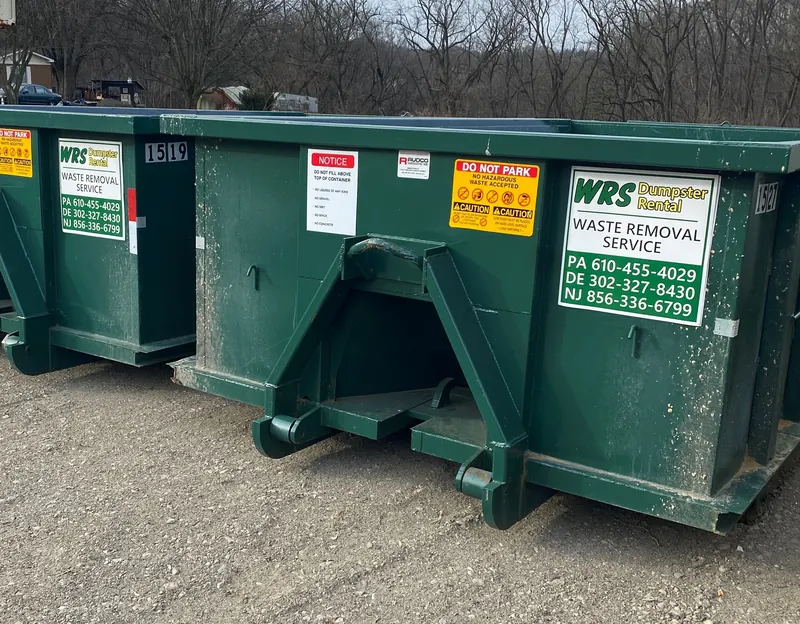
Choosing the right dumpster size per material stream is key for both cost control and LEED diversion performance. Heavier materials destined for recycling-like concrete and brick-consume included tonnage quickly, while lighter waste streams like cardboard and packaging fill volume without hitting weight limits. Here's what WRS offers for LEED projects:
10-Yard LEED Dumpsters (1 Ton Included)
Price range: $435.00–$495.00 | Includes 1 ton of disposal. Overage charges are weight-based.
The 10-yard roll-off is ideal for small renovation debris, separated cardboard, glass, or metals on tight urban sites, and bathroom or office fit-outs. On LEED jobs, a 10-yard dedicated to a single material stream-such as cardboard only-keeps loads clean and maximizes the percentage of materials that qualify as diverted rather than disposed of in landfills.
15-Yard LEED Dumpsters (1.5 Tons Included)
Price range: $505.00–$565.00 | Includes 1.5 tons of disposal.
The 15-yard works well for mid-size renovations, small commercial tenant improvements, and targeted waste streams like wood or scrap metal. Use 15-yard bins when your project site has moderate space and needs to segregate at least two material types on site. They offer a practical balance between capacity and footprint for projects generating moderate demolition waste.
20-Yard LEED Dumpsters (2 Tons Included)
Price range: $575.00–$625.00 | Includes 2 tons of disposal.
The 20-yard dumpster is the most common size on LEED jobs handling framing waste, siding, and mixed interior demolition debris. It fits most driveways and tight access points while offering enough volume for continuous waste separation. When total construction waste generation is moderate, a 20-yard paired with a smaller segregation bin covers most projects well.
30-Yard LEED Dumpsters (3 Tons Included)
Price range: $645.00–$805.00 | Includes 3 tons of disposal.
The 30-yard is ideal for large commercial LEED projects, multi-story builds, and major structural renovations. These containers handle high-volume streams effectively-use separate 30-yard bins for concrete and clean wood on bigger sites where those materials represent a significant share of overall project waste.
40-Yard LEED Dumpsters (Call for Pricing)
Call WRS at the number for your state for current 40-yard pricing and availability.
The 40-yard roll-off is best for major construction sites generating large volumes of lighter debris such as packaging, cardboard, and non-heavy demolition waste. Project teams should call to discuss weight limits, height clearance on site, and whether 40-yard containers are appropriate for their LEED waste strategy. These dumpsters are not always the right fit for heavy demolition materials-discuss your project scope with our team first.
How LEED Dumpster Rental Works with WRS
The booking process is straightforward, but planning for LEED credits adds a few extra steps that pay off in smoother documentation and higher diversion rates. Here's how it works:
Step 1: Call for a LEED-Focused Waste Assessment
Contractors or project managers call the WRS line for your state to discuss the project location, LEED goals (e.g., 50% or 75% diversion), and the key materials expected. We help match dumpster sizes and the number of waste streams to the scope and timeline of the project. Before scheduling delivery, we confirm pricing, included tonnage, and any special site access requirements. A construction waste management plan is required for LEED certification, and this initial conversation helps ensure your dumpster setup supports that plan.
Step 2: Delivery, Sorting, and Scheduled Haul-Offs
We deliver on time with drivers placing dumpsters where they best support material separation on your jobsite. We recommend using clear signage and crew training to keep each dumpster limited to its assigned material stream-contaminated loads can hurt your diversion rates and waste the effort your project team has put in. As the project phases progress (demo, framing, finishes), customers schedule swaps or additional dumpsters to match changing waste types. Projects must track all waste generated from start to finish, so each swap becomes a documentation checkpoint.
Step 3: Facility Processing and LEED Documentation Support
WRS hauls debris to approved facilities that weigh and process recyclables versus landfill materials where available. We can provide or help gather scale tickets and other documentation needed for LEED submittals. Document all waste generated, including disposal and diversion rates, and coordinate with your LEED consultant or AP to ensure documents meet LEED Online requirements. LEED certification focuses on how waste is tracked, hauled, and sorted-our role is making sure the hauling side of that equation produces the records you need.
Best Practices for Maximizing LEED Waste Credits with WRS Dumpsters
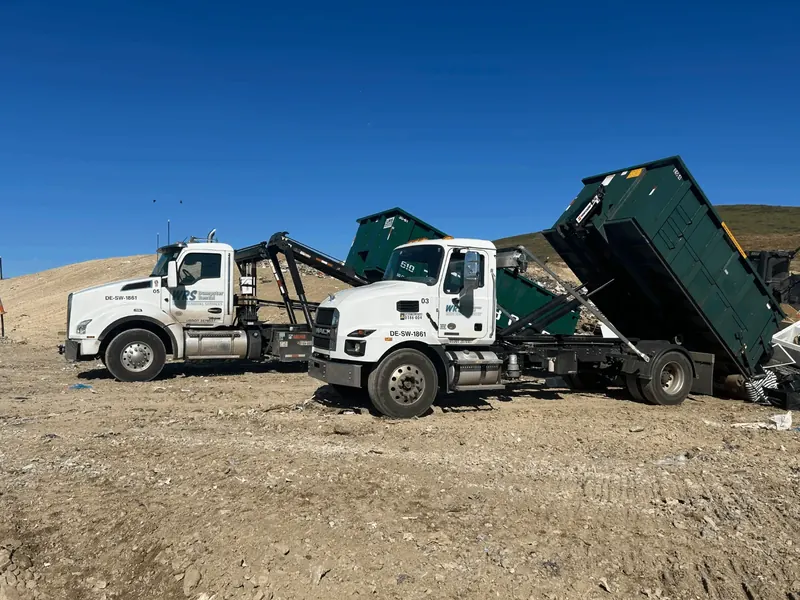
Dumpsters alone don't earn credits. How your project team uses them determines your diversion rates and whether you achieve points under LEED's construction waste management credit. Implementing a waste management plan typically targets at least 50% to 75% waste diversion-here's how to get there.
Plan Your Waste Streams Before Construction Starts
Identify which demolition materials can be easily separated-concrete, metals, cardboard, clean dimensional lumber-versus those that must stay in mixed C&D. Map where each dumpster will sit on site to make the separation plan realistic for crews and subcontractors. Early coordination with WRS and the receiving recycling facility helps avoid surprises about what can or cannot be counted as diverted.
Projects can earn 2 points by preventing waste through reuse, so consider which materials destined for the dumpster could instead be salvaged or repurposed. Waste prevention and waste reduction at the source-through prefab, modular design, or material standardization-help projects earn more points under both LEED v4 diversion thresholds and the alternative waste intensity path (≤ 2.5 lb/sq ft for new construction).
Keep LEED Dumpsters "Clean" and Clearly Labeled
Use clear on-dumpster signage indicating allowed and prohibited materials for each bin. A contaminated load-one with hazardous waste, liquids, or banned items-may be downgraded to landfill disposal, directly hurting your LEED diversion percentages. Periodic walk-throughs and toolbox talks remind crews of the waste policy and why keeping streams separated matters for the overall project waste goals.
LEED requires tracking of durable goods disposal at 75% diversion. Track disposal of furniture and electronics separately for LEED compliance, especially during renovation projects where ongoing consumables, durable goods, and facility maintenance waste overlap with construction demolition debris. Building occupants in occupied renovation projects add complexity-plan for it.
Track Weights and Hauls Throughout the Project
Log each dumpster pickup, load type, and tonnage as tickets come in instead of waiting until the end of the job. Real-time tracking helps identify when diversion rates are slipping so the project team can adjust signage, sorting practices, or swap schedules. Conduct a waste stream audit every five years if diversion is below 75%, per ongoing LEED requirements for certified buildings.
Nominate a single point of contact on the project to coordinate between WRS, the GC, and the LEED consultant. Construction waste management can earn up to 2 LEED points, and those points depend on consistent, verifiable documentation of every ton waste generated and diverted throughout the project lifecycle. LEED requires documentation of waste diversion rates for compliance-there's no credit without the paper trail.
Areas We Serve for LEED Dumpster Rental
WRS is a regional provider supporting LEED projects across multiple states with local teams who live in the communities we serve. Our familiarity with municipal facilities, recycling program options, and local ordinances helps keep your LEED project compliant and your documentation clean.
Pennsylvania LEED Project Coverage
- Lancaster County - Lancaster and surrounding communities
- Chester County - West Chester and nearby towns
- Delaware County - Media, Springfield, and surrounding areas
- Montgomery County - Norristown, King of Prussia, and nearby communities
- Bucks County, Lehigh County, Berks County - Allentown and surrounding regions
Pennsylvania's Act 101 recycling requirements mandate that commercial and institutional establishments separate recyclables like corrugated cardboard, aluminum, and high-grade paper. These regulations align naturally with LEED waste segregation requirements and mean that regional recycling infrastructure is well-established for construction and demolition waste.
Delaware and Maryland LEED Project Coverage
- New Castle County, DE - Wilmington, Newark, and surrounding towns
- Kent County and Sussex County, DE - Dover, Rehoboth Beach, and communities throughout
- Cecil County, MD - Near the PA and DE borders where institutional and healthcare LEED projects are common
- Baltimore area, MD - Commercial and municipal construction pursuing environmental design standards
New Jersey LEED Project Coverage
- Gloucester County - Including our Marlton-area base of operations
- Camden County - Camden and surrounding municipalities
- Burlington County, Salem County, Mercer County - South Jersey coverage for schools, warehouses, medical offices, and municipal facilities pursuing LEED credit
New Jersey's source-separated concrete and recycling facility exemptions support the reuse and diversion pathways LEED projects depend on, and our local knowledge of which facilities accept specific material streams is especially valuable for meeting LEED requirements.
Get a LEED Dumpster Rental Quote from WRS
WRS Dumpster Rental helps contractors, owners, and project managers develop and implement effective LEED construction waste strategies across PA, NJ, DE, and MD. From right-sized roll-off dumpsters and LEED-aware support to coordinated recycling and upfront pricing, we make managing your project waste straightforward so you can focus on earning the LEED credit your sustainable building project deserves.
Call WRS Dumpster Rental at the number for your state or request a LEED-ready dumpster quote online. Have your project address, start date, expected materials, and LEED diversion goals ready when you call-we'll handle the rest.
WRS Dumpster Rental · wrsdumpsterrental.com